ACTIVITY 3 MY WEBSITE
What Is Mental Health?
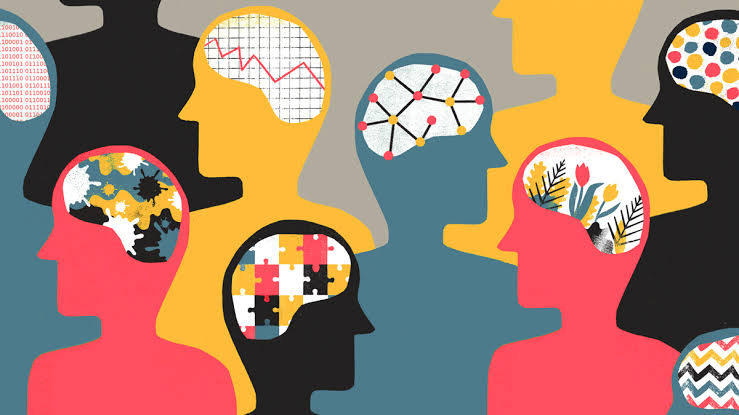
Mental health includes our emotional, psychological, and social well-being. It affects how we think, feel, and act. It also helps determine how we handle stress, relate to others, and make choices. Mental health is important at every stage of life, from childhood and adolescence through adulthood.
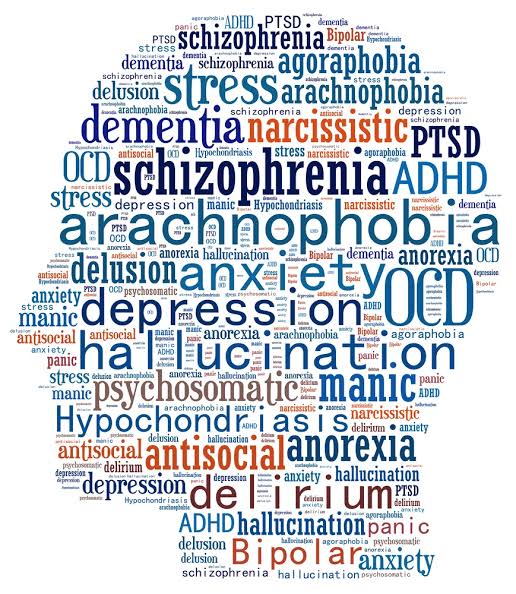
Mental illness, also called mental health disorders, refers to a wide range of mental health conditions disorders that affect your mood, thinking and behavior. Examples of mental illness include depression, anxiety disorders, schizophrenia, eating disorders and addictive behaviors.Many people have mental health concerns from time to time. But a mental health concern becomes a mental illness when ongoing signs and symptoms cause frequent stress and affect your ability to function.
Types of mental health problems
Anxiety & panic attacks
Anxiety is a normal emotion that we all experience. You might think of anxiety as feeling stressed, tense, worried, uneasy or scared. Most of the time these emotions are not a problem.
Bipolar disorder
Bipolar disorder is a mood disorder that can cause extreme periods of low (depressed) and high (manic) moods. Bipolar used to be called manic depression.
Depression
Depression is when someone experiences a low mood that lasts for a long time and affects their everyday life.
Eating disorders
An eating disorder is when someone has unhealthy thoughts, feelings and behaviour around food.
Obsessive-compulsive disorder
Obsessive-compulsive disorder (OCD) is a diagnosis given to someone who experiences obsessive thoughts and compulsive behaviours.
Personality disorders
A personality disorder can affect how a person copes with day-to-day life and manages relationships, as well as how they feel and behave.
Post Traumatic Stress Disorder (PTSD)
Post traumatic stress disorder (PTSD) is a diagnosis given to people who develop a certain set of symptoms following a traumatic event.
Psychosis
Psychosis is a term used to describe when a person perceives the world in a different way to those around them. This can include how a person will experience, believe or view things.
Schizoaffective disorder
Schizoaffective disorder is a mental illness that affects a person’s mood, thoughts and behaviour. Around one in 200 people develop schizoaffective disorder and some point in their life.
Schizophrenia
Schizophrenia is a mental illness that affects the way a person thinks. Schizophrenia affects around 1 in 100 people and can only be diagnosed by a psychiatrist.
Self harm
Self-harm is when someone purposely hurts themselves, usually in order to cope with intense emotional distress.
Suicidal feelings
Suicide – when someone intentionally takes their own life – can be very complex.
Diagnosis
- A physical exam. Your doctor will try to rule out physical problems that could cause your symptoms.
- Lab tests. These may include, for example, a check of your thyroid function or a screening for alcohol and drugs.
- A psychological evaluation. A doctor or mental health professional talks to you about your symptoms, thoughts, feelings and behavior patterns. You may be asked to fill out a questionnaire to help answer these questions.
Determining which mental illness you have
Sometimes it’s difficult to find out which mental illness may be causing your symptoms. But taking the time and effort to get an accurate diagnosis will help determine the appropriate treatment. The more information you have, the more you will be prepared to work with your mental health professional in understanding what your symptoms may represent.
REMEMBER!
Mental Health Awareness is important because it provides a timely reminder that mental health is essential and that those living with mental health issues are deserving of care, understanding, compassion, and pathways to hope, healing, recovery, and fulfillment

